Home décor changes over time. Furniture gets replaced, wall colours are updated, and accessories shift with seasons or personal taste. A rug, however, often stays in place much longer than smaller decorative pieces. That makes flexibility an important part of the buying decision.
A good rug should not only suit the room today. It should also have enough versatility to work with future changes. By focusing on colour, pattern, scale, and placement, homeowners can choose a rug that continues to feel right even as the rest of the space evolves.
Look for Nourison Rugs with a Flexible Colour Palette
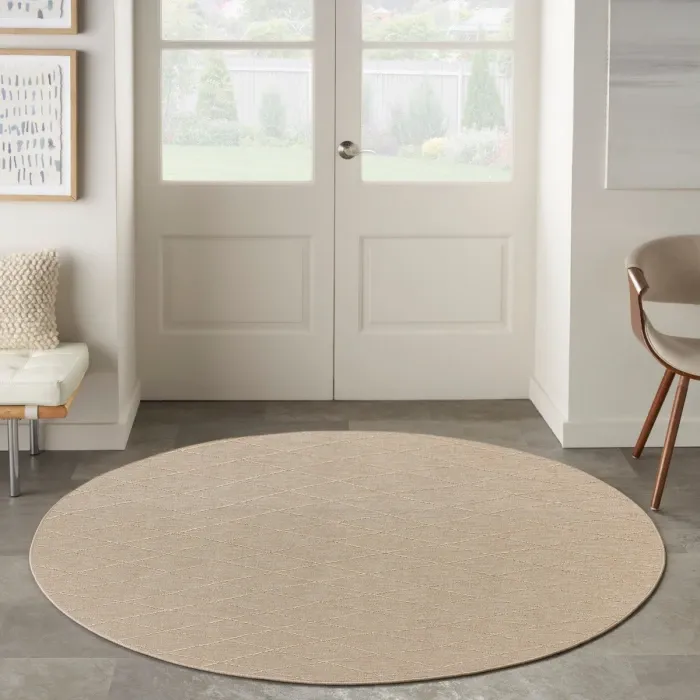
When exploring Nourison rugs, it helps to think beyond the current furniture arrangement. A rug with a balanced colour palette can make future decorating much easier. Neutral tones such as cream, beige, grey, taupe, and soft blue often work across different furniture styles. They can support both warm and cool interiors without making the rug feel tied to one specific look.
This does not mean the rug has to be plain. A design can still include pattern and texture while keeping the colours versatile. The goal is to choose something that feels interesting but not so specific that it becomes difficult to style later.
Choose a Pattern That Can Adapt
Pattern can influence how flexible a rug feels over time. A very bold or highly specific design may become the main focus of the room. That can work well, but it may also limit future decorating choices. Softer geometric patterns, distressed motifs, or tonal designs can often adapt more easily.
Before buying, ask yourself whether the rug could still work with:
-
a different sofa colour
-
updated curtains
-
new wall paint
-
changing seasonal accessories
-
a different room in the future
If the answer is yes, the rug is likely to offer better long-term flexibility.
Let Safavieh Rugs Support Different Design Styles
Homeowners comparing Safavieh rugs can benefit from choosing a design that works across more than one decorating style. A rug with a balanced look can move easily between modern, transitional, casual, or slightly traditional interiors. This is especially useful for people who like updating their homes gradually rather than replacing everything at once.
For example, a rug with neutral colours and a subtle pattern can work with clean-lined furniture today and still suit warmer, more layered décor later. That flexibility gives the rug a longer decorative life.
Think About Rug Size Before Style
A versatile design will not help much if the rug size does not suit the room. Measure the space carefully and consider how the furniture might be arranged in the future. A rug that is slightly more generous in size may give you more flexibility if you later move a sofa, add a chair or change the layout.
In living rooms, the rug should help connect the main seating area. In bedrooms, it should extend far enough to create comfort around the bed. In dining rooms, it needs enough space for chairs to move easily. Good proportions make it easier to reuse the rug even if the furniture changes.
Use Accessories to Refresh the Look
One advantage of choosing a flexible rug is that smaller accessories can do most of the seasonal or style updating. You can change the mood of the room with cushions, throws, artwork, lamps or decorative objects while keeping the rug in place.
A simple update might include:
-
warmer cushions during cooler months
-
lighter fabrics in spring and summer
-
new artwork using colours found in the rug
-
different table accessories
-
plants or natural textures for added freshness
This approach keeps the room feeling new without requiring major purchases.
Avoid Matching Everything Too Closely
A rug does not need to match the sofa, curtains, and walls exactly. In fact, rooms often look more natural when colours relate to one another without being identical. Choose one or two shades from the rug and repeat them in smaller details around the space.
This creates a connection while allowing the room to evolve more easily.
Exact matching can make future changes more difficult because replacing one element may affect the entire colour scheme. A looser relationship between colours gives you more freedom.
Consider Where the Rug Could Move Later
A useful rug does not always have to stay in the same room forever.
A living room rug could later work in a guest room, office, or dining area if the size and style are flexible. Thinking about possible future uses can help you choose a design with greater long-term value. This is especially useful when investing in a rug you expect to keep for several years.
Conclusion
Choosing a rug for changing home décor requires a different mindset from buying only for the room as it looks today. Think about future furniture, new colours, seasonal updates and even the possibility of moving the rug to another space.
A flexible palette, adaptable pattern, correct size and balanced design can help the rug remain useful as your home evolves. Instead of replacing a major floor covering whenever the décor changes, you can update smaller details around it.
The best long-term choice is a rug that gives you freedom. When it works with different styles and layouts, it becomes a lasting part of the home rather than a temporary decorative decision.